










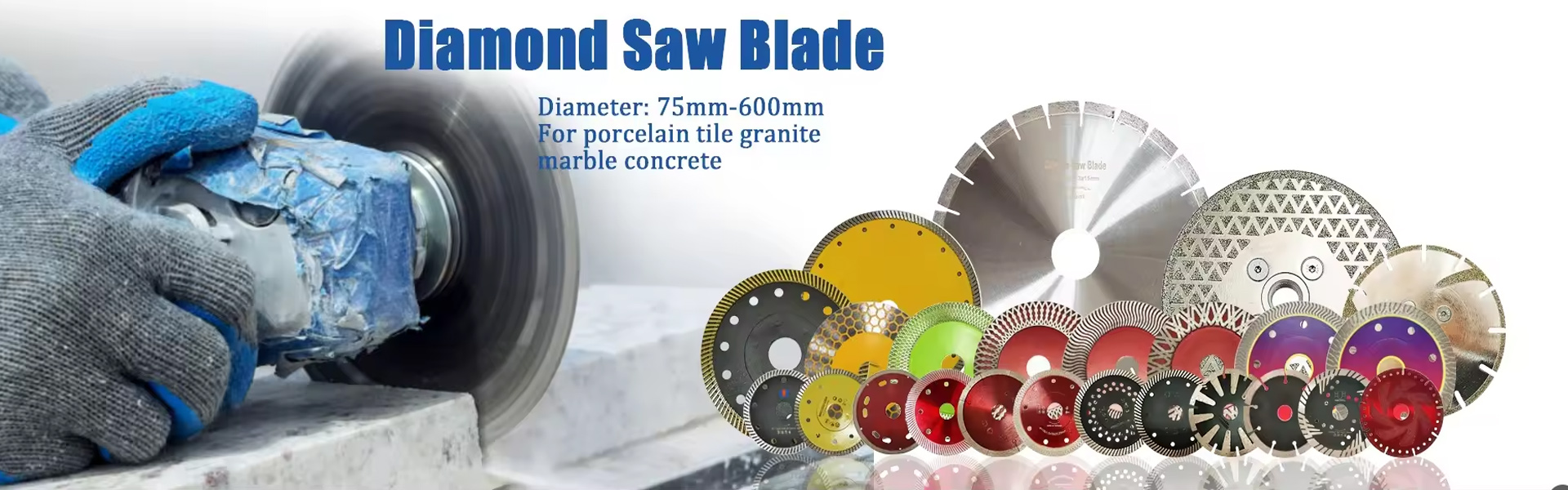
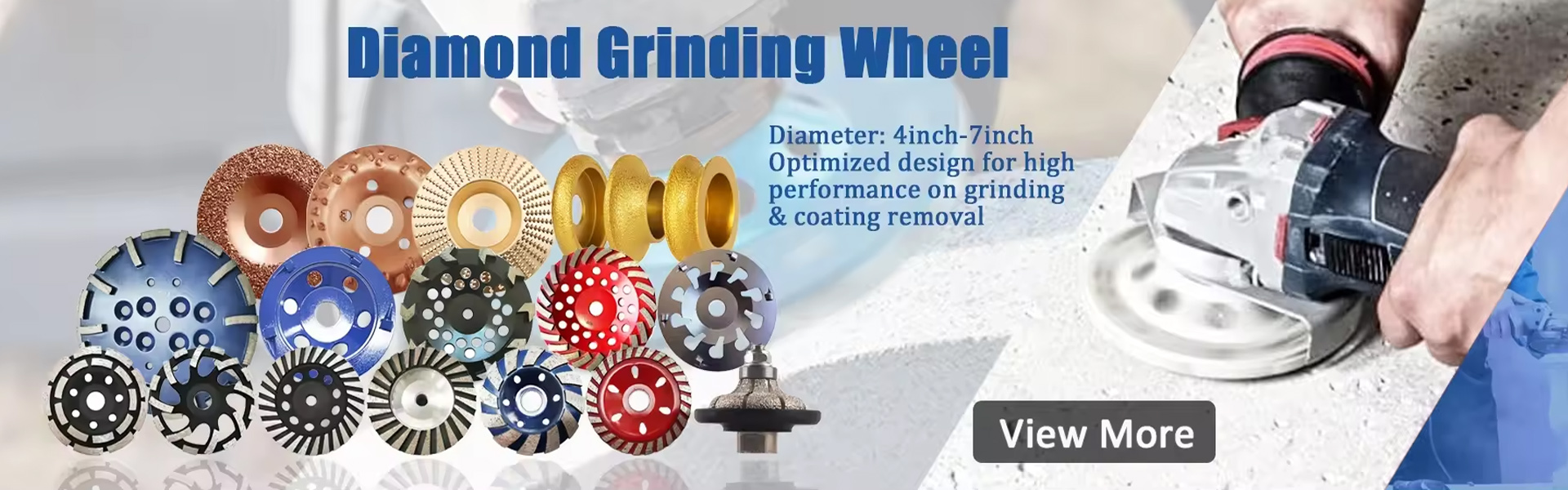
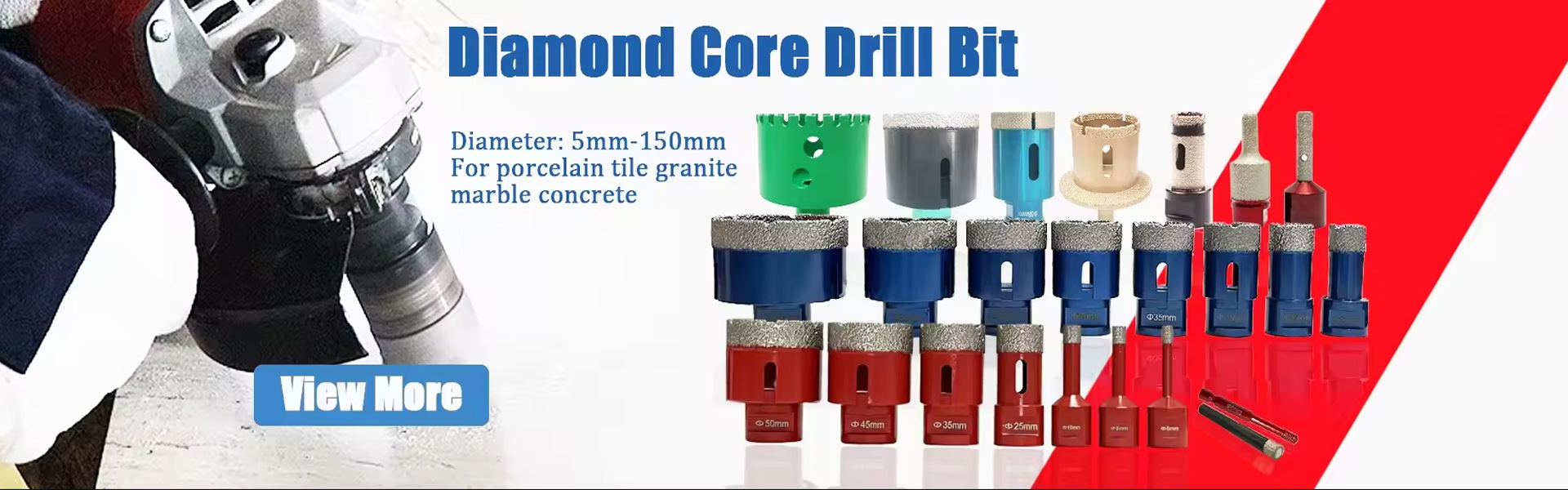
Problems cutting with a diamond cutting disc?
Diamond cutting discs are powerful tools used for cutting through hard materials like concrete, stone, metal, and tile. While these discs are highly efficient, several issues can arise during use that may affect performance, safety, and the quality of your cuts. Understanding the causes of these problems and how to address them will help you get the best results and extend the life of your tools.
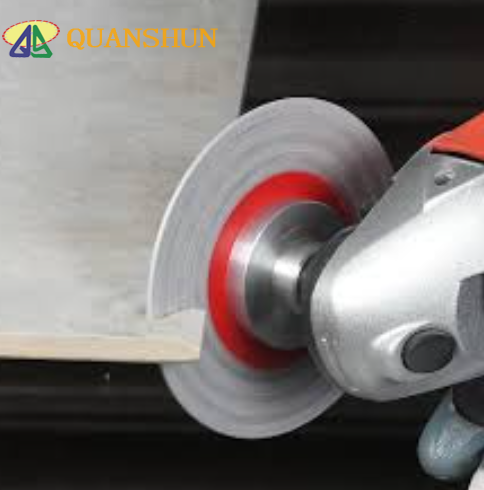
1. Overheating and Wear of the Disc
Problem: Overheating is one of the most common issues when cutting with a diamond cutting disc. If the blade gets too hot, it can wear out prematurely, leading to reduced performance, excessive dust, or even damage to the blade.
Causes:
Prolonged use without breaks.
Applying too much pressure during the cut.
Cutting too hard or thick materials.
Not using water for wet cutting (especially with hard materials).
Solution:
Take breaks: Allow the blade to cool down periodically by stopping the grinder for a few seconds.
Use the right cutting technique: Let the diamond disc do the work, and avoid pressing too hard on the grinder.
Water cooling: For wet cutting, use water to cool the blade and reduce dust. If dry cutting, ensure proper ventilation to avoid heat buildup.
Select the right disc: Choose a diamond cutting disc that is rated for the material you're cutting.
2. Chipping or Cracking of the Material
Problem: Chipping or cracking along the edges of the material you're cutting is a common issue, especially when working with tiles, porcelain, or other brittle materials.
Causes:
Using the wrong type of diamond disc for the material.
Applying excessive pressure during the cut.
Cutting too quickly or not at a steady pace.
Not supporting the material properly while cutting.
Solution:
Use a continuous rim blade: For tiles and ceramics, choose a diamond cutting disc with a continuous rim to minimize the risk of chipping.
Slow and steady cuts: Avoid rushing through the cut. A slower, controlled approach helps prevent stress on the material.
Proper support: Make sure the material is supported on both sides to prevent movement that could cause cracks.
Pre-scoring tiles: When cutting tiles, score the material lightly first, then gradually deepen the cut.
3. Uneven Cuts or Jagged Edges
Problem: Uneven cuts or jagged edges can result in rough, unprofessional-looking work. This is especially problematic for finishes that require precision, such as tile cutting or decorative stonework.
Causes:
Using a worn-out or damaged diamond cutting disc.
Incorrect angle or technique when cutting.
Using too much force or rushing the cut.
Low-quality diamond cutting discs.
Solution:
Inspect the disc: Before using the diamond cutting disc, check for any signs of damage or wear. Replace it if it’s dull or chipped.
Use the right angle: Hold the grinder at a consistent, correct angle (around 30-45 degrees to the material) to ensure a smooth cut.
Apply light, consistent pressure: Let the disc cut through the material rather than forcing it.
Upgrade your blade: Consider investing in higher-quality diamond cutting discs for more precise cuts.
4. Excessive Dust
Problem: Cutting generates a lot of dust, especially when cutting concrete, stone, or brick. This can be hazardous to your health and create a mess in your workspace.
Causes:
Dry cutting (without water).
Using a low-quality or worn-out diamond disc.
Poor ventilation or dust extraction.
Solution:
Use a wet cutting method: Whenever possible, use a wet diamond cutting disc. Water helps cool the blade and reduces dust while also providing a cleaner cut.
Dust collection: Use an angle grinder with a dust collection feature or attach a vacuum to collect dust as you cut.
Protective gear: Always wear a dust mask or respirator, especially when dry cutting, to avoid inhaling harmful dust particles.
Work in a well-ventilated area: If you must dry cut, ensure that the area is well-ventilated to disperse dust.
5. Uneven Wear or Dulling of the Disc
Problem: Over time, diamond cutting discs can wear unevenly, leading to less efficient cuts, slower cutting speeds, and the need for frequent replacements.
Causes:
Using the disc for materials it wasn't designed for.
Prolonged use without maintenance or breaks.
Incorrect speed settings on the angle grinder.
Poor-quality diamond cutting discs.
Solution:
Choose the right disc for the job: Use a diamond cutting disc designed for the material you're working with. For example, don’t use a disc designed for concrete to cut metal.
Avoid excessive use: Take regular breaks to avoid excessive heat buildup and ensure the disc wears evenly.
Check your angle grinder settings: Ensure you're using the right RPM for the disc. Using a disc at too high a speed can cause uneven wear and overheating.
Buy quality discs: Invest in high-quality diamond discs that are designed for longer life and more efficient cutting.
6. Difficulty Starting or Stopping the Grinder
Problem: Sometimes, an angle grinder may have trouble starting or stopping when trying to use a diamond cutting disc. This can be frustrating and may indicate underlying issues with the tool or the blade.

Causes:
A worn-out motor in the angle grinder.
A damaged or incorrectly installed diamond cutting disc.
Incompatible disc size or type for the angle grinder.
Solution:
Check the angle grinder: Ensure that your angle grinder is in good working condition. If it’s older or the motor is malfunctioning, it might need repair or replacement.
Proper installation: Double-check that the diamond cutting disc is securely attached to the grinder, and make sure you're using the correct disc size for the tool.
Use compatible discs: Ensure that the disc you’re using is compatible with your angle grinder’s specifications (size, speed rating, etc.).
7. Vibration and Loss of Control
Problem: Excessive vibration during cutting can lead to loss of control, making it harder to follow a straight line and causing fatigue during extended use.
Causes:
Worn-out or damaged diamond cutting disc.
Using a disc that is too large or too small for the angle grinder.
Grinding at an incorrect angle or applying uneven pressure.
Solution:
Inspect the disc for damage: Check for cracks or uneven wear on the diamond cutting disc. Replace it if necessary.
Ensure proper fit: Make sure that the diamond cutting disc is the correct size and type for your angle grinder.
Even pressure: Hold the grinder with both hands and maintain a consistent, light pressure while cutting.
Conclusion
While diamond cutting discs are powerful and versatile tools, they require careful handling and the right techniques to perform optimally. By addressing common problems such as overheating, uneven cuts, and dust, you can improve the quality of your work and extend the life of your discs. Always use the right disc for the job, wear proper safety gear, and follow best practices for cutting to ensure the best results and avoid costly mistakes.
Would you like more tips on choosing the right disc for specific materials, or troubleshooting other issues with your angle grinder?
 Super Thin 115mm Diamond Cutti
 Professional Diamond Core Dril
 Premium Diamond Drill Bits for
 Diamond Grinding Disc Sets New