










Geological Drill Bits: Key Tools for Exploring the Underground World
Geological drill bits are indispensable tools in geological exploration, mineral resource extraction, groundwater detection, and other similar fields. They work by rotating and cutting through rock layers or soil to obtain samples of underground strata, minerals, or water, providing essential data for scientific research, resource development, and engineering projects. The types, structure, materials, and applications of geological drill bits vary, and this article will provide a detailed introduction to these aspects.
1. Basic Structure of Geological Drill Bits
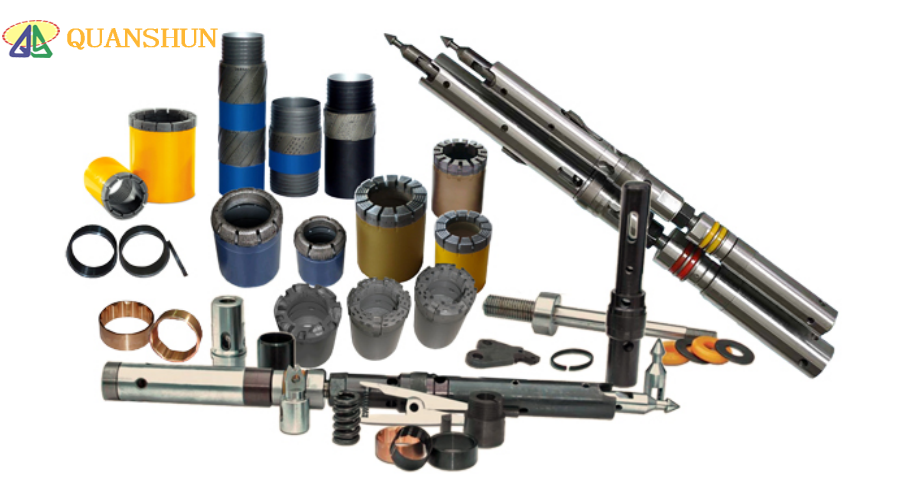
A geological drill bit generally consists of the drill bit head, drill rod, and connection parts. Although different types of drill bits have specific structures and functions, their basic design is generally similar.
Drill Bit Head: This is the most critical part of the drill bit, directly in contact with the strata and responsible for cutting and breaking the rock. The design of the drill bit head is typically adjusted according to the hardness of the rock layers, rock types, and the specific requirements of the geological exploration. Common types of drill bit heads include:
Tri-cone Drill Bits: Suitable for softer or moderately hard strata, effective for rotating cutting.
Roller Cone Bits: Used for drilling through hard rock layers, typically consisting of multiple roller cones that rotate and cut rock.
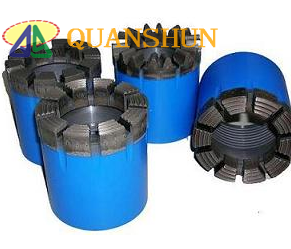
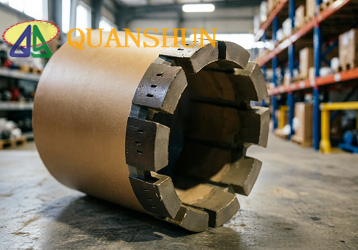
Diamond Drill Bits: Made with diamonds as cutting materials, these bits are ideal for drilling through extremely hard rocks and are commonly used in deep drilling or mineral exploration.
Drill Rod: The drill rod is the part that connects the drill bit to the drilling machine. It is responsible for transmitting the mechanical power needed for drilling. The length, material, and connection methods of drill rods vary depending on the drilling depth and environment.
Connection Parts: The connection parts are used to link the drill bit to the drill rods or the main shaft of the drilling machine, ensuring that the drill bit remains stable during rotation.
2. Types and Classification of Geological Drill Bits
Geological drill bits come in a wide variety, each designed to meet specific geological conditions, drilling objectives, and performance requirements. Based on these factors, common geological drill bits can be categorized as follows:
Diamond Drill Bits
Application Range: Diamond drill bits are widely used for drilling through hard rock layers, such as granite, hard sandstone, limestone, etc., due to their extreme hardness. They are especially suitable for deep drilling and mineral exploration.
Features: Diamond drill bits use natural or synthetic diamonds as cutting materials, offering excellent wear resistance and efficient drilling capability.
Advantages: Fast drilling speed, high hole accuracy, and long service life.
Roller Cone Bits
Application Range: Roller cone bits are commonly used for drilling through moderately hard rock layers, such as medium-hard sandstone, shale, etc.
Features: Roller cone bits cut rock by utilizing multiple rotating cones, which work to break up the rock.
Advantages: Versatile and relatively inexpensive, suitable for general geological exploration.
Composite Drill Bits
Application Range: Composite drill bits are designed for complex geological conditions and can handle rock layers with varying hardness.
Features: Composite drill bits combine the advantages of both diamond drill bits and roller cone bits, making them suitable for various geological environments, from soft to hard rocks.
Advantages: Highly adaptable and capable of improving drilling efficiency.
Steel Ball Drill Bits
Application Range: Steel ball drill bits are mainly used for drilling through medium to low hardness rock layers.
Features: These drill bits feature multiple steel balls at the head, which roll to cut and break the rock.
Advantages: Simple to operate and ideal for shallow drilling projects.
Hydraulic Impact Drill Bits
Application Range: These are used primarily for drilling through soft soil layers or sand.
Features: Hydraulic impact bits rely on water pressure to deliver a striking and breaking action, making them suitable for deeper drilling.
Advantages: Can significantly improve drilling efficiency and is suitable for poor geological conditions.
3. Working Principle of Geological Drill Bits
The working principle of geological drill bits mainly involves rotational cutting and impact. The drilling machine rotates the drill bit, and the cutting part of the drill bit comes into physical contact with the underground rock layers. The drill bit continuously cuts and breaks the rock, causing it to advance deeper.
In detail, as the drill bit rotates, the cutting tools at the bit break up the surrounding rock or soil, reducing it to debris. This debris is then removed through the drill column, maintaining an open borehole and facilitating continued drilling. For harder rock layers, drill bits often employ compression or impact forces to enhance cutting efficiency.
4. Selection and Use of Geological Drill Bits
Selecting the appropriate geological drill bit is crucial to improving drilling efficiency and reducing operational costs. Different drilling environments require different types of drill bits. The following are common considerations for selecting a drill bit:
Geological Conditions: The type of drill bit should be chosen according to the hardness, density, and layering of the rock. Harder rocks typically require diamond drill bits, while softer rocks are suitable for steel ball or roller cone drill bits.
Drilling Depth: For deep drilling projects, more durable bits like diamond drill bits are preferred to ensure depth and efficiency.
Work Efficiency: Different drill bits have varying drilling speeds. The selection should consider both drilling efficiency and operating time. Diamond drill bits are typically faster for deep drilling projects.
Cost Considerations: Although diamond drill bits offer high efficiency and longer lifespan, they are more expensive. For projects with limited budgets, roller cone or steel ball bits may be more cost-effective.
5. Maintenance and Care of Geological Drill Bits
As high-performance tools, geological drill bits require regular checks and maintenance. Common maintenance methods include:
Cleaning: Regularly clean the drill bit to remove debris, mud, and rock particles to maintain cutting efficiency.
Checking for Wear: Inspect the cutting parts of the drill bit for excessive wear. If any part is worn out, it should be replaced promptly.
Lubrication: Keep the connection parts of the drill bit and drill rods well-lubricated to reduce friction and wear, extending the service life of the drill bit.
Regular Inspection: Check for cracks or other damages in the drill bit, and replace it if necessary to avoid failures during operation.
6. Conclusion
Geological drill bits are vital tools in geological exploration, resource development, and many other fields. With a wide range of types, including diamond drill bits and roller cone drill bits, they offer different advantages for specific drilling environments. Choosing the right drill bit, along with proper maintenance and care, can not only enhance work efficiency but also reduce the risks associated with drilling operations, ensuring successful exploration and development projects. As technology advances, the design and functionality of geological drill bits will continue to improve, further enhancing the efficiency of resource exploration and development.
 Super Thin 115mm Diamond Cutti
 Professional Diamond Core Dril
 Premium Diamond Drill Bits for
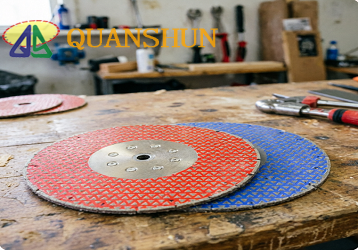 Diamond Grinding Disc Sets New