










How to Use a Diamond Grinding Cup Wheel: A Step-by-Step Guide
A diamond grinding cup wheel is a powerful tool designed for aggressive material removal and surface preparation. Commonly used in construction, masonry, and metalworking, these cup wheels are essential for grinding and smoothing hard materials such as concrete, stone, and metal. Here’s a detailed guide on how to use a diamond grinding cup wheel safely and effectively.

What is a Diamond Grinding Cup Wheel?
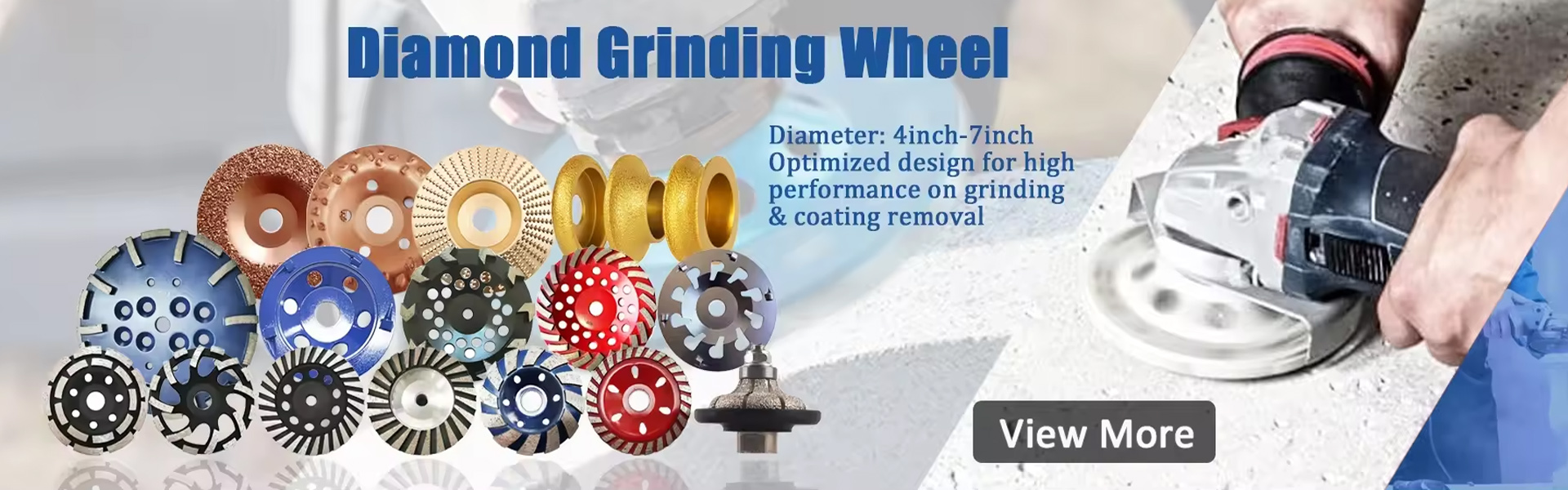
A diamond grinding cup wheel is a type of grinding tool that features a metal cup with industrial-grade diamonds embedded along the edge. These diamonds are highly abrasive, making them perfect for grinding tough materials like concrete, granite, stone, and metal. The wheels are designed to be attached to an angle grinder, providing high-speed grinding for a variety of applications, such as smoothing rough surfaces, removing coatings, or prepping concrete floors.
Types of Diamond Grinding Cup Wheels
Before getting into the "how-to" of using a diamond cup wheel, it’s essential to know the different types available:
Single Row Cup Wheels:
These have a single row of diamonds along the edge and are ideal for light to medium grinding tasks, such as smoothing or leveling concrete surfaces.Double Row Cup Wheels:
With two rows of diamonds, these wheels provide faster material removal and are better suited for tougher tasks like heavy-duty grinding on concrete and stone.Turbo Cup Wheels:
These have a wavy, turbo-style design, providing both speed and a smoother finish. Turbo cup wheels are great for polishing concrete or stone after the initial grinding.Flaring Cup Wheels:
These have a more aggressive shape and are used for specialized grinding tasks such as cleaning and smoothing metal or concrete surfaces.V-Shaped Cup Wheels:
These are designed for working on corners and edges, providing precision and control when grinding in tight spaces.
How to Use a Diamond Grinding Cup Wheel
Now that you understand the types of grinding cup wheels, here’s a step-by-step guide on how to use them with an angle grinder.
1. Gather Your Safety Gear
Before starting any grinding project, always prioritize safety. Wear the following protective gear:
Safety goggles or a face shield to protect your eyes from flying debris.
Dust mask to prevent inhaling harmful dust particles, especially when working with concrete or stone.
Ear protection as the noise from the grinder can be loud.
Heavy-duty gloves to protect your hands from vibration and potential injury.
Sturdy work boots to protect your feet from falling debris.
2. Select the Right Grinding Cup Wheel
Choose the correct cup wheel based on the material you will be working with and the specific task. For example:
Use a single-row cup wheel for light grinding on concrete surfaces.
Opt for a double-row cup wheel if you need to remove thick layers of concrete.
A turbo cup wheel is better for polishing tasks.
3. Attach the Cup Wheel to the Angle Grinder
Unplug the angle grinder before changing the wheel to avoid accidental activation.
Remove the old disc or wheel by loosening the spindle nut (use a wrench if necessary).
Attach the diamond grinding cup wheel securely to the grinder’s spindle.
Tighten the nut or clamping mechanism to hold the wheel in place. Ensure the wheel is seated correctly and securely fixed.
4. Position the Grinder
Hold the angle grinder with both hands for control and stability.
Place the grinding wheel flat on the surface you wish to grind. For best results, keep the wheel at a 30-45 degree angle to the material.
Keep a firm grip on the grinder’s handles to prevent the tool from slipping or jerking.
5. Start Grinding
Turn on the grinder and let the wheel reach full speed before making contact with the material.
Gently press the wheel onto the surface. Do not force the grinder; let the diamond cup wheel do the work.
Move the grinder in a slow, steady motion. For larger areas, you can make overlapping passes to ensure even grinding.
If you’re grinding concrete, keep the grinder moving to prevent gouging the surface or over-heating the wheel.
6. Maintain the Correct Pressure
Apply light, even pressure while grinding. Excessive force can cause the wheel to wear out prematurely or overheat.
If you're grinding a large surface, take breaks to prevent the grinding cup from overheating. Overheating can damage the diamond abrasives and the grinder.
7. Finish the Grind
Once you’ve achieved the desired surface finish, turn off the grinder and let the wheel stop spinning before setting it down.
Wipe away any dust or debris, especially if you're planning to follow up with another finishing process like polishing.
8. Clean and Store the Wheel
After use, clean the diamond grinding cup wheel by removing any excess dust or debris. Store it in a dry place to prevent rusting or damage.
Safety Tips and Best Practices
Avoid Overheating: Grinding generates a lot of heat, especially on tough surfaces like concrete. Take breaks and use water for cooling if necessary (especially when working with materials like granite or marble).
Proper Positioning: Always hold the grinder at the right angle to avoid uneven grinding or injury. Keep both hands on the tool for maximum control.
Check for Damage: Before each use, inspect the diamond cup wheel for signs of wear or damage. Never use a cracked or chipped cup wheel, as it can be dangerous.
Dust Control: For health and safety reasons, always wear a dust mask when grinding concrete or stone. Using a wet grinder (if applicable) can help reduce the amount of airborne dust.
Conclusion
Using a diamond grinding cup wheel with an angle grinder is a straightforward yet effective way to tackle tough grinding tasks. Whether you're smoothing concrete floors, shaping stone, or removing coatings, following the right steps and safety precautions will ensure you get the best results without compromising safety. Always remember to choose the right wheel for the job, use the tool correctly, and wear appropriate safety gear to protect yourself from debris, dust, and vibration.
Would you like more specific advice on using diamond cup wheels for particular materials, or maybe tips on choosing between different types of grinders?
 Super Thin 115mm Diamond Cutti
 Professional Diamond Core Dril
 Premium Diamond Drill Bits for
 Diamond Grinding Disc Sets New