










Diamond Disc: How to Use It
Views :
Update time : 2026-01-04
We must always follow the manufacturer’s recommendations regarding the material to be cut and ensure the blade is not damaged. However, remember to keep these recommendations in mind:
- Check that the blade is not damaged.
- Regularly inspect the blade to ensure there are no cracks, wear, or loss of flatness.
- Ensure the fastening plates are the correct diameter, equal, free of play, and flat.
- Ensure the blade is correctly mounted and securely fastened.
- Verify that the bearings and shaft of the grinder or circular saw are in good condition. Refer to the machine manufacturer’s manual for proper maintenance.
- Respect the maximum operating speed for each blade diameter, as indicated by the manufacturer.
- Never use a wet cutting blade for dry cutting.
- Do not force the blade during the cut; allow it to set its own working pace.
- Never work while obstructing the cutting line or blade path.
- Allow for proper cooling by letting the blade spin freely every few minutes. Do not make long or continuous cuts. The harder the material, the more frequently you should do this.
- When making a wet cut, do not start cutting until the water flow is adequate.
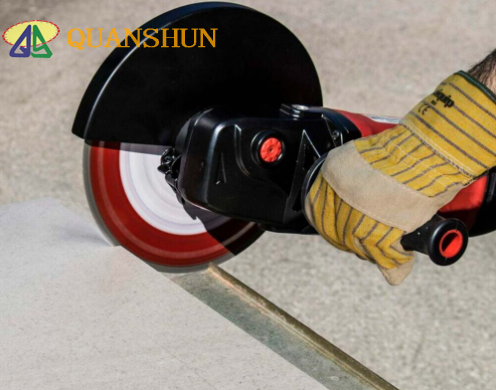
In conclusion, always remember that safety at work is essential, and working with diamond blades is no exception.
Always wear appropriate safety gear: goggles, proper footwear, fitted clothing, hearing protection, and, when necessary, a mask. But undoubtedly, correct use of the blades is crucial to maintaining safety at all times.
Related News
Read More >>
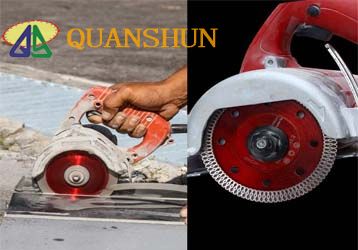 Super Thin 115mm Diamond Cutti
04 .14.2026
Super Thin 115mm Diamond Cutting Disc – High-Performance Turbo Blade for Ceramic & Tile (Univers...
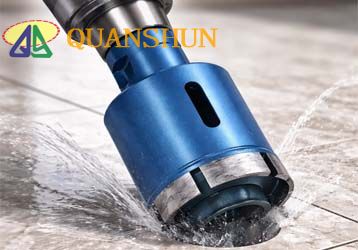 Professional Diamond Core Dril
04 .12.2026
Ideal for drilling through granite, marble, ceramic tiles, porcelain, and other masonry materials, t...
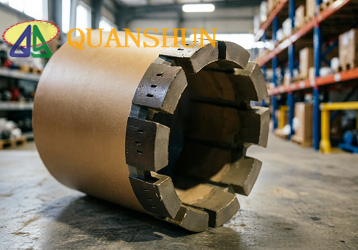 Premium Diamond Drill Bits for
04 .09.2026
Upgrade your drilling experience with our premium Diamond Drill Bits, designed for precision, durabi...
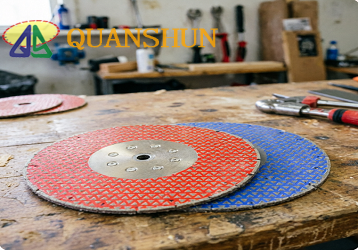 Diamond Grinding Disc Sets New
04 .09.2026
High-quality Diamond Grinding Disc for concrete, stone, and masonry. Designed for efficient material...