










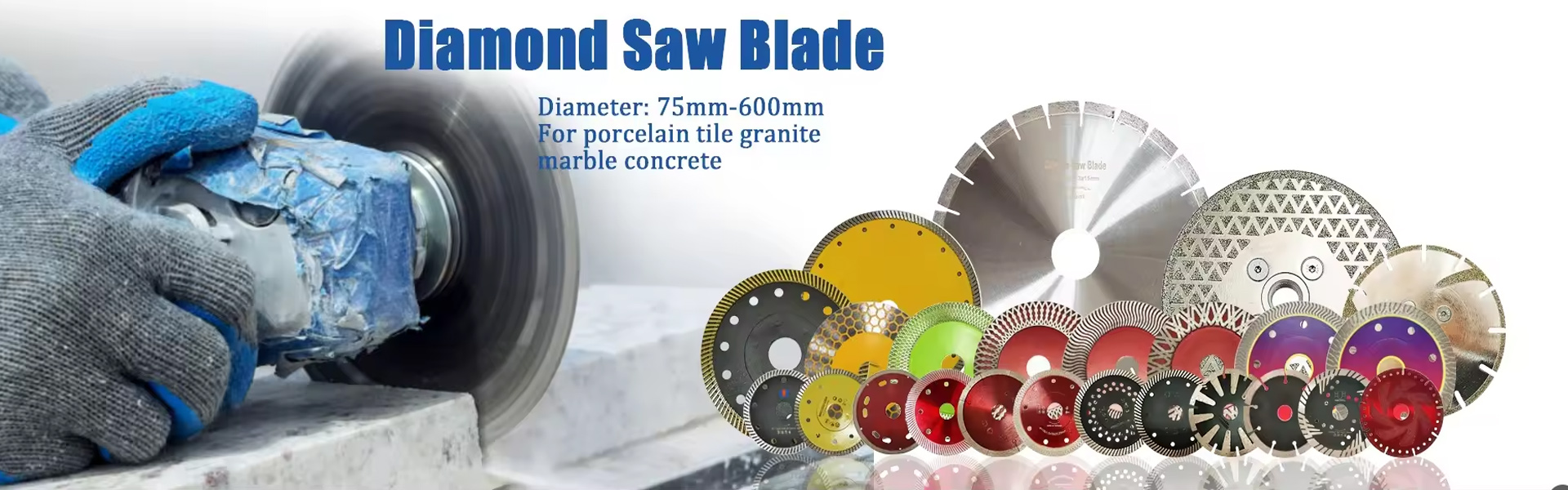

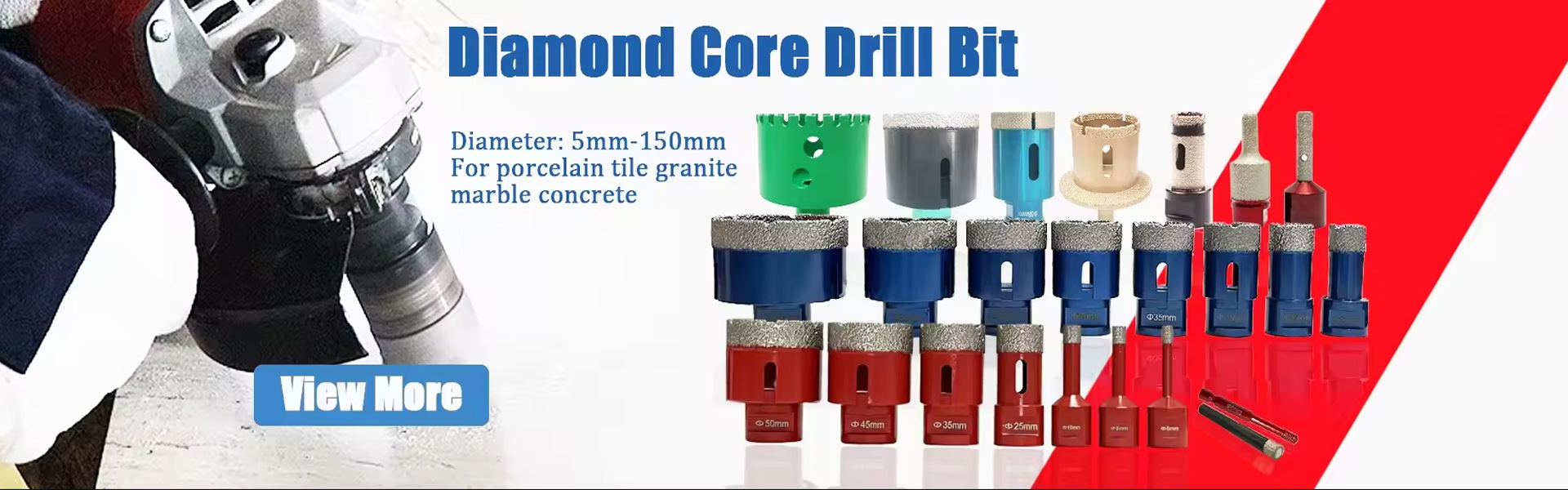
Sandstone Saw Blades: Essential Tools for Cutting Sandstone and Similar Materials
Sandstone saw blades are specialized cutting tools designed for efficiently and accurately slicing through sandstone, a sedimentary rock that is often used in constructi
on, landscaping, and interior design. Given the natural variation in sandstone’s composition, texture, and hardness, choosing the right saw blade is crucial to achieving clean cuts while maintaining the blade's longevity. This article will explore the types, features, applications, and maintenance of sandstone saw blades, as well as the factors that influence their performance.
1. What Are Sandstone Saw Blades?
Sandstone saw blades are diamond-coated or carbide-tipped tools used in various saw machines to cut through sandstone and other similar materials like limestone, marble, or concrete. These blades are typically used in applications requiring high precision and the ability to handle the often abrasive and varied nature of stone materials. The blade is designed to withstand the stresses of cutting through a material that can vary from soft to medium hardness.
2. Types of Sandstone Saw Blades
There are several types of sandstone saw blades available on the market, each suited for different applications and cutting needs. The primary types include:
Diamond Blade
Description: Diamond blades are the most common type of saw blade used for cutting sandstone. These blades feature a metal core with a diamond segment coating around the perimeter. The diamonds provide extreme hardness and abrasion resistance, making them highly effective for cutting hard and abrasive materials like sandstone.
Application: Diamond blades are used in both wet and dry cutting conditions and can handle both soft and medium-hard sandstone. They are commonly used in large-scale industrial applications and for cutting stones into tiles, slabs, and blocks.
Advantages: Faster cutting speeds, longer blade life, and cleaner cuts compared to other blade types.
Carbide-Tipped Blade
Description: Carbide-tipped blades have tungsten carbide tips bonded to the steel core of the blade. While not as hard or durable as diamond blades, carbide-tipped blades are still suitable for cutting softer forms of sandstone and similar stones.
Application: Carbide blades are typically used for residential or lighter commercial applications where precise cuts are needed, such as in countertop or flooring installations.
Advantages: Lower cost compared to diamond blades, and still effective for cutting softer sandstone.
Turbo Diamond Blade
Description: A turbo diamond blade features a continuous rim with a serrated, “turbo” design, which allows for more aggressive cutting. These blades are ideal for both wet and dry cutting and are particularly useful for handling harder and more abrasive sandstones.
Application: Turbo diamond blades are commonly used for fast cutting of thicker or denser sandstone pieces, such as when cutting through thick slabs or large rock formations.
Advantages: Faster cutting speeds, smooth cutting performance, and better heat dissipation during cutting.
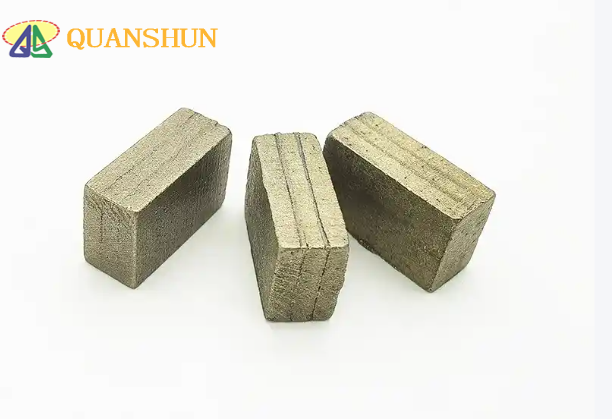
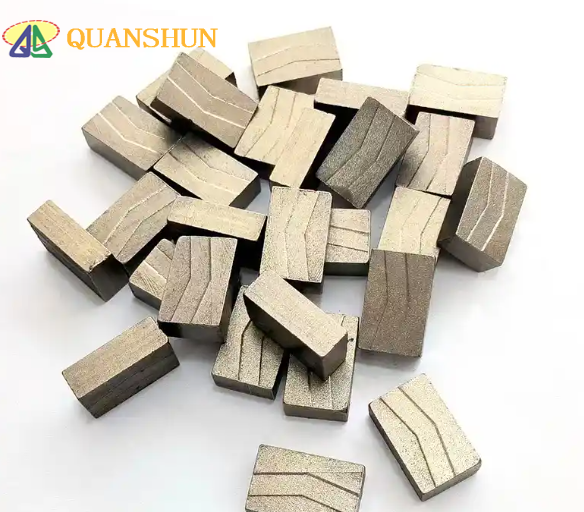
Segmented Diamond Blade
Description: These blades have a series of segments with diamond particles bonded to the edges of each segment. Segmented diamond blades are designed for heavy-duty cutting and are excellent for cutting through tough and dense stone materials like sandstone.
Application: Used in industrial settings for large-scale stone cutting projects, segmented diamond blades are ideal for cutting sandstone blocks or stone that is prone to heat buildup during cutting.
Advantages: High efficiency in cutting thick and dense materials, and better cooling during prolonged use due to the gaps between segments.
3. Factors Influencing the Performance of Sandstone Saw Blades
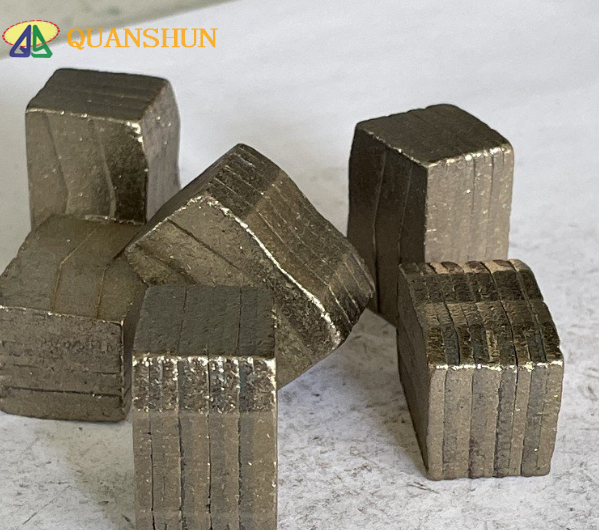
Several factors can affect the performance, lifespan, and quality of the cuts made by sandstone saw blades. These include:
Blade Material:
The hardness and composition of the blade material, such as diamond or carbide, significantly influence the blade's ability to cut through sandstone. Diamond blades, for example, provide the highest performance in cutting harder and more abrasive materials.
Grain Size of the Sandstone:
Sandstone can vary in its grain size, with some types being finer and others being coarser. Coarse-grain sandstone can be more abrasive, requiring a more durable blade (such as a diamond blade) to ensure a clean cut.
Wet vs. Dry Cutting:
Wet cutting involves using water to cool the blade while cutting, reducing friction and heat buildup, leading to cleaner cuts and a longer blade life. Dry cutting, while possible with some blades, generates more heat and can lead to faster wear of the blade, particularly with softer materials like carbide-tipped blades.
Blade Diameter:
The diameter of the blade should match the cutting requirements, with larger blades suited for cutting thicker sandstone slabs and smaller blades ideal for precision work, like cutting tiles or smaller blocks.
Cutting Speed:
The cutting speed, which is influenced by the type of saw and the material being cut, affects the efficiency and quality of the cut. For example, turbo diamond blades are designed for faster cutting speeds, making them ideal for time-sensitive projects.
4. Applications of Sandstone Saw Blades
Sandstone saw blades are widely used in both industrial and residential applications. Here are some of the key uses:
Stone Processing:
In industries like construction and landscaping, sandstone saw blades are used to cut sandstone blocks into smaller sizes for paving stones, tiles, and slabs. These cut pieces are then used in buildings, outdoor patios, roads, and other infrastructure projects.
Tile and Slab Cutting:
For interior design projects, particularly when creating countertops, flooring, and decorative pieces, sandstone saw blades allow for precise cuts and clean edges, ensuring the material fits perfectly in its designated space.
Monuments and Sculptures:
Sandstone is often used in the creation of monuments and sculptures. Saw blades designed for sandstone are essential in the initial stages of cutting large blocks of sandstone into manageable pieces that can then be sculpted or engraved.
Restoration Projects:
Many older buildings and monuments are made from sandstone. For restoration work, sandstone saw blades are used to cut new pieces of stone that match the original material, ensuring the restored structure maintains its historical integrity.
5. Maintaining Sandstone Saw Blades
Proper maintenance and care can extend the life of sandstone saw blades and improve cutting efficiency. Here are some maintenance tips:
Keep the Blade Clean:
After each use, ensure that the blade is thoroughly cleaned to remove any stone debris, dust, and residue that can cause wear over time.
Use Correct Cutting Techniques:
For wet cutting, always ensure that sufficient water is being applied to the blade to avoid overheating and damage. When dry cutting, it’s important to allow the blade to cool down between cuts to prevent excessive heat buildup.
Inspect Regularly:
Check the blade for signs of wear, cracks, or chips, especially after extended use. If the blade is damaged, it should be replaced to avoid compromising the quality of the cut.
Proper Storage:
When not in use, store the blade in a dry, cool place to avoid rust and damage. Ensure that it is protected from any impact that could cause damage to the teeth or segments.
6. Conclusion
Sandstone saw blades are essential tools for cutting through sandstone and similar materials with precision and efficiency. Whether it’s for large-scale construction, intricate stone sculpting, or home renovation, choosing the right saw blade is crucial to ensure clean cuts and extend the life of the tool. By understanding the different types of blades, the factors influencing performance, and the maintenance required, professionals and DIY enthusiasts alike can make informed choices to achieve the best results for their projects.
 Super Thin 115mm Diamond Cutti
 Professional Diamond Core Dril
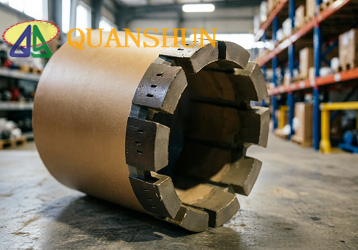 Premium Diamond Drill Bits for
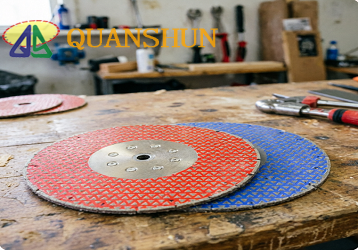 Diamond Grinding Disc Sets New