











Diamond Wire Saw: An Overview and Guide
A diamond wire saw is an advanced tool used in construction, mining, and stone-cutting industries for precision cutting of hard materials like granite, marble, concrete, and reinforced concrete. Unlike traditional cutting methods, a diamond wire saw offers greater versatility, efficiency, and precision. This article explores the features, applications, advantages, and considerations for using a diamond wire saw.
1. What is a Diamond Wire Saw?
A diamond wire saw consists of a steel or metal wire that is embedded with diamond beads or segments. This wire moves continuously at high speeds, cutting through hard materials as it passes along the surface. The diamond particles embedded on the wire are the cutting agents, providing the hardness and durability necessary to tackle tough surfaces.
The wire itself is usually flexible, which allows for complex cuts and shapes to be made. Diamond wire saws are commonly used in both wet and dry cutting operations, depending on the material being cut and the working conditions.
2. Key Components of a Diamond Wire Saw
Diamond Beads: Small, synthetic diamonds are embedded in the wire at regular intervals. These beads are the main cutting elements, providing the abrasive power necessary to cut through materials like stone, concrete, and metal.
Wire Material: The wire itself is typically made of a steel cable or a stainless steel wire. This wire needs to be both strong and flexible to handle the stresses of continuous cutting.
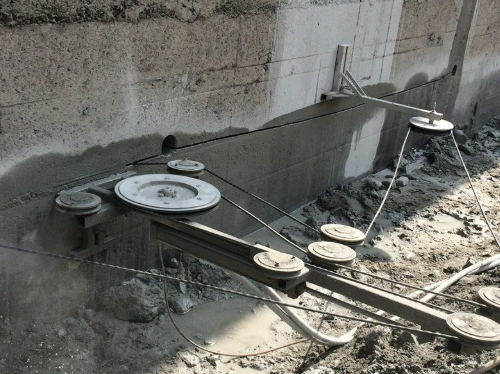
Machine or Pulley System: The diamond wire saw is driven by a motorized pulley system, which pulls the wire through the material. The machine may also provide tension to the wire, keeping it taut for effective cutting.
Cooling System: Many diamond wire saws use a water cooling system to reduce heat generation during the cutting process. This also helps to minimize the dust created when cutting and extends the life of the wire.
3. How Does a Diamond Wire Saw Work?
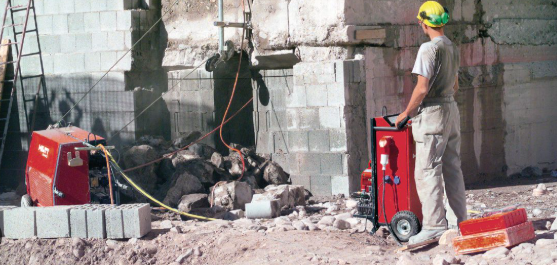
The cutting process with a diamond wire saw involves the wire moving rapidly through the material while the diamond beads or segments grind away at the surface. Here's a basic rundown:
Preparation: The wire is mounted on a pulley or a machine, which provides the necessary tension and motion to guide it through the material.
Cutting: As the wire moves along the material, the embedded diamonds come into contact with the surface, gradually breaking it down through friction and abrasive action.
Cooling: The wire saw is typically lubricated with water (in wet cutting operations), which cools the wire, reduces dust, and ensures smoother operation.
Precision: The wire saw is capable of cutting precise, straight, and complex shapes, making it ideal for detailed or intricate work.
4. Advantages of Diamond Wire Saws
Precision Cutting: One of the main benefits of a diamond wire saw is its ability to make precise cuts, especially in hard materials like granite and reinforced concrete. It can also create shapes and curves that traditional saws cannot.
Flexibility: The flexibility of the wire allows it to move around obstacles and cut irregularly shaped objects, making it useful in confined spaces or intricate designs.
Efficiency: Diamond wire saws can cut much faster and more efficiently than traditional methods such as concrete saws or chain saws. The wire’s ability to cut through dense materials with little force reduces the need for manual effort and time.
Minimal Vibration: Unlike heavy machines or jackhammers, a diamond wire saw produces minimal vibration, which reduces wear on the material being cut and lowers the risk of structural damage.
Reduced Dust: Wet cutting with a diamond wire saw can significantly reduce dust, making it safer for workers and improving air quality, especially in indoor or confined work areas.
Long Tool Life: The use of diamonds means that these wire saws have a long lifespan and can endure heavy-duty tasks without frequent replacement.
5. Applications of Diamond Wire Saws
Diamond wire saws are highly versatile and are used in a variety of industries for cutting through different materials:
Stone Cutting: Used in the quarrying and mining industry to extract large blocks of stone (e.g., granite, marble). These saws allow for high-precision cuts and minimize material loss.
Concrete Cutting: Diamond wire saws are ideal for cutting through reinforced concrete, such as during demolition, construction, or structural renovation projects. This includes cutting thick concrete slabs, beams, and walls.
Surgical Applications: In medical settings, diamond wire saws are sometimes used for cutting bones or other hard biological materials during surgery, especially in orthopedic procedures.
Demolition: Diamond wire saws are often employed in demolishing large, reinforced structures where traditional methods are either impractical or too noisy.
Oil and Gas: They are used for cutting through tough materials like steel and cement when working in oil rigs or gas plants, where precision is crucial.
Underwater Cutting: Diamond wire saws can be used underwater to cut through concrete and metal structures, often in marine construction or decommissioning projects.
6. Types of Diamond Wire Saws
Continuous Diamond Wire Saw: These saws have a continuous loop of wire that is equipped with diamond beads. They are ideal for smooth and clean cuts and are often used in high-precision applications.
Segmented Diamond Wire Saw: In this type, the wire is divided into segments of diamonds that are spaced apart. These saws are typically used for heavier-duty cutting in concrete, stone, and other tough materials.
Multi-Wire Sawing Systems: Used primarily in the stone and marble industry, these systems use multiple wires operating simultaneously to cut through thick slabs. They are commonly used in industrial settings for high-volume production.
7. Considerations for Using a Diamond Wire Saw
Power Supply: Diamond wire saws require a reliable power source to operate. The power of the machine and the tension on the wire must be managed to ensure smooth cutting without causing excessive wear on the wire.
Cost: Diamond wire saws can be expensive, both in terms of initial purchase and maintenance. However, their efficiency and durability often make them a worthwhile investment for high-demand projects.
Skill and Experience: Using a diamond wire saw requires experience, as incorrect handling can lead to breakage of the wire or imprecise cuts. Proper training and careful attention are necessary.
Wire Tension: It’s crucial to maintain the correct tension on the wire to ensure optimal cutting speed and precision. Over-tensioning can damage the wire, while under-tensioning can result in inefficient cutting.
Maintenance: Regular maintenance is essential to keep the saw running smoothly. This includes monitoring wire wear, cleaning the cooling system, and inspecting the equipment for damage.
8. Safety Considerations
Personal Protective Equipment (PPE): Operators should wear safety goggles, gloves, ear protection, and dust masks. In wet cutting, the use of appropriate waterproof gear is essential.
Proper Setup: Ensure that the work area is secure, and the wire saw is properly set up to avoid accidents or damage to the material being cut.
Training: Only trained professionals should handle diamond wire saws to prevent misuse and accidents.
9. Conclusion
The diamond wire saw is a cutting-edge tool that offers precision, efficiency, and flexibility for a variety of industries. Whether for stone cutting, concrete demolition, or complex shapes in mining, this tool provides an excellent solution for tackling tough, hard-to-cut materials. By understanding the components, benefits, and best practices for using a diamond wire saw, you can maximize its potential and achieve high-quality, accurate results in your projects.
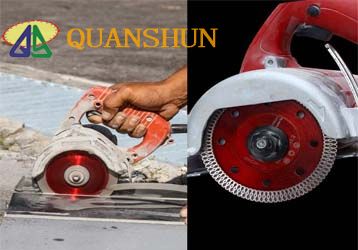 Super Thin 115mm Diamond Cutti
 Professional Diamond Core Dril
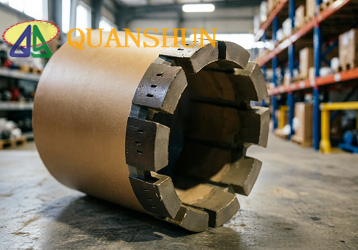 Premium Diamond Drill Bits for
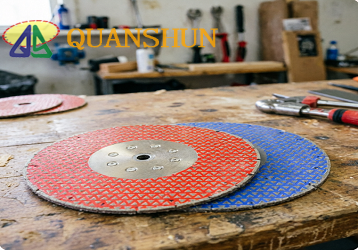 Diamond Grinding Disc Sets New