










Electroplated Diamond Bits: Strengths, Limits and Smart Selection for Hard Rock Coring
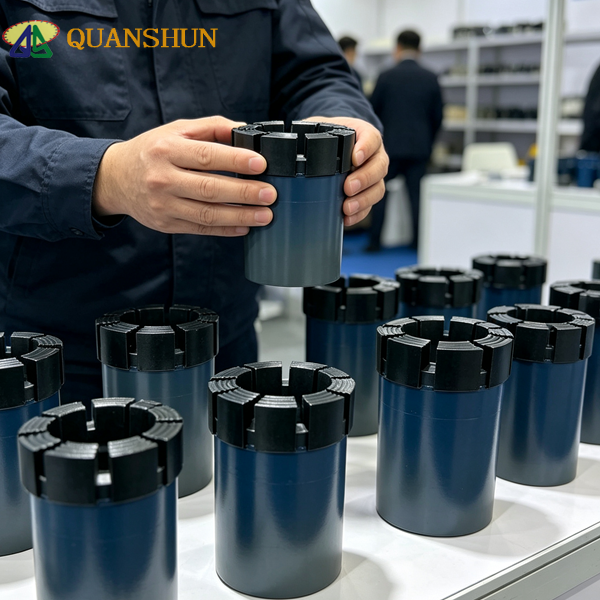
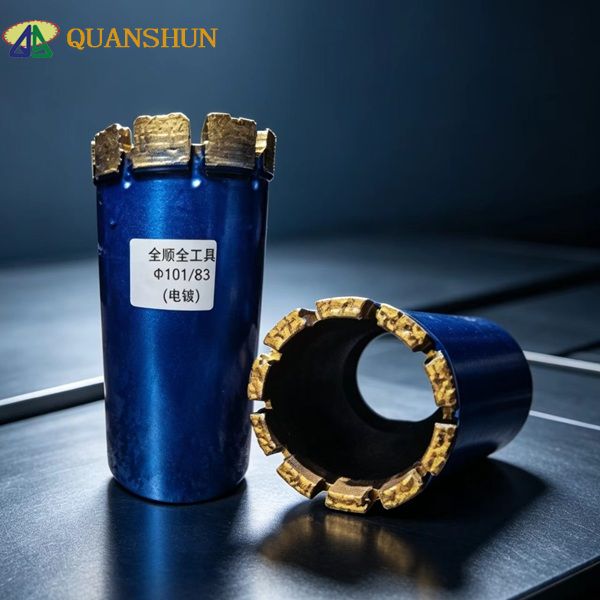
Hard rock formations are compact and frequently highly abrasive, creating heavy mechanical load on coring bits during drilling. Electroplated diamond bits stand out in these scenarios thanks to prominently exposed diamond grains, which easily cut into solid hard rock and maintain steady penetration without getting clogged.
However, this design also carries a clear drawback. Since the diamond grit is only bonded in a relatively thin electroplated layer, the structure is less resistant to heavy impact. Excessive feed pressure, overly high rotation speed, or unstable drilling fluid circulation can rapidly wear the diamond particles, or even make them peel off from the bit matrix ahead of schedule.
This makes proper bit selection a critical factor to control your overall drilling cost. Electroplated bits often deliver cleaner, higher-quality core samples when drilling intact, fine-grained high-silica granite, sometimes performing better than conventional impregnated diamond bits.
On the other hand, heavily broken, fractured hard rock brings continuous vibration and shock load. Under such conditions, electroplated bits struggle to hold up, and switching to impregnated diamond core bits becomes the more reliable solution.
The golden rule remains simple: select your coring tools according to the actual ground conditions. Matching the bit type to your rock formation will reduce premature tool failure and help you cut down consumable expenses on site.
 Hard Rock Drilling Optimizatio
 Electroplated Diamond Bits: St
 Surge in Australian Mineral Dr
 Growing Demand for Reliable Ex