










Key Strategies for Selecting Ideal Diamond Core Bits for Mining and Geological Drilling Projects
Achieving high efficiency and stable performance in modern mining operations and geological exploration heavily relies on scientific and targeted drill bit selection. With the global drilling industry moving toward low-cost, high-precision, and high-efficiency construction standards, simply using universal drill bits can no longer meet the diverse demands of complex underground formations and large-scale engineering projects. Choosing the most suitable diamond core bit has become a core factor in improving overall project profitability, reducing construction downtime, and ensuring accurate geological data collection.
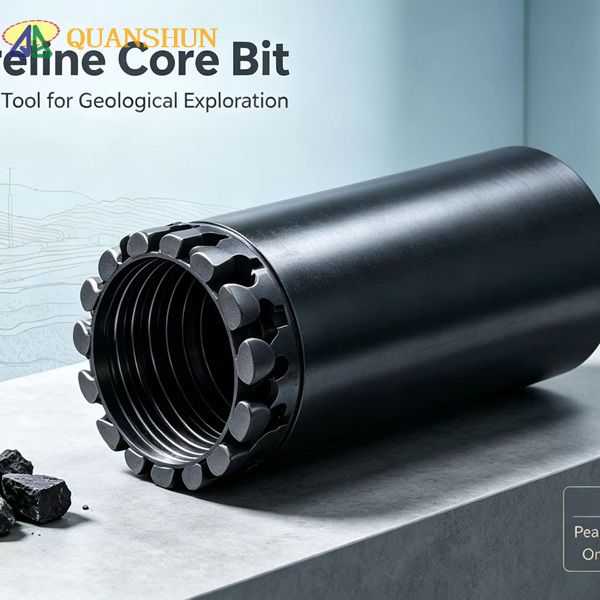
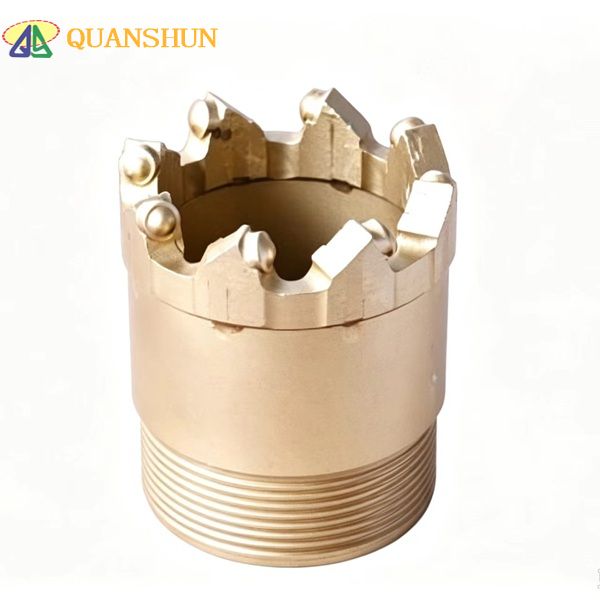
In professional core drilling work, two types of diamond core bits dominate mainstream engineering applications: PDC core bits and impregnated diamond core bits. Each bit type possesses unique structural advantages and working mechanisms, tailored for completely different rock formations and drilling objectives. PDC core bits are famous for their fast penetration speed and stable shearing performance, making them ideal for soft to medium-hard rock layers with low abrasiveness. In contrast, impregnated diamond core bits feature strong wear resistance and excellent impact resistance, designed to tackle ultra-hard, highly abrasive, and fractured complex formations that ordinary bits cannot penetrate smoothly.
Professional bit matching must be based on comprehensive geological analysis before project commencement. Drilling engineers need to fully evaluate underground rock conditions, including rock hardness, abrasion degree, stratum integrity, and structural fracture status. For intact and uniform rock formations, priority can be given to drilling speed to accelerate project progress. For broken, slippery, or highly abrasive strata, core integrity and bit durability should be placed first to avoid frequent bit replacement, core loss, and repeated drilling operations.
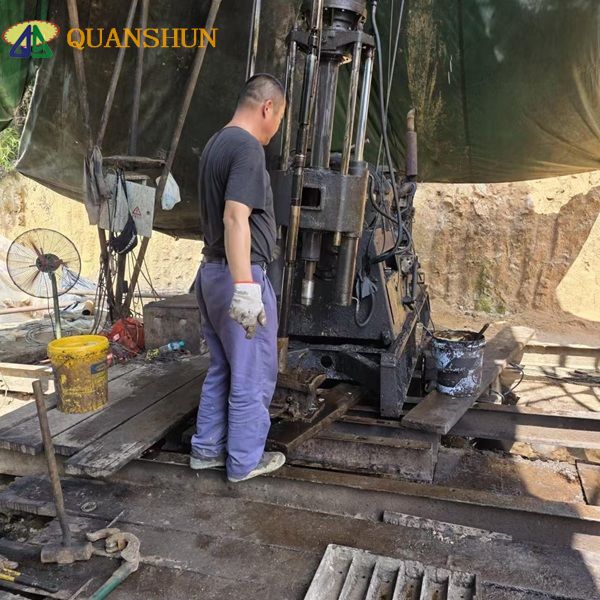
In addition to geological adaptation, drilling project positioning and equipment compatibility are also essential evaluation criteria. Different engineering teams have different core goals: some projects pursue rapid footage progress to shorten construction cycles, while resource exploration projects focus more on complete core sampling and accurate stratigraphic data retention. Meanwhile, the performance parameters of on-site drilling rigs, including drilling power, rotational speed, and drilling pressure range, directly determine whether the selected core bit can exert its optimal working performance. Mismatched equipment and bits will lead to low drilling efficiency, serious tool wear, and increased hidden construction risks.
Furthermore, modern drilling enterprises are increasingly focusing on long-term economic benefits rather than the initial purchase price of drill bits. The industry’s core evaluation standard has shifted to cost per meter drilling efficiency, which comprehensively calculates bit service life, average penetration rate, replacement frequency, and labor and time costs. High-quality professional diamond core bits can effectively reduce overall drilling costs, minimize equipment downtime, and improve the comprehensive return on investment of mining and exploration projects.
Ultimately, reasonable operating parameters and standardized construction processes are indispensable to maximize bit performance. Scientifically matched rotational speed, feed pressure, and water flushing volume can effectively prevent bit slipping, burning, and premature wear. By combining correct bit selection, formation adaptation, equipment matching, and standardized operation, drilling teams can significantly enhance construction stability, improve core sampling quality, and achieve maximum operational success in mining and geological exploration projects.
 Core‑Sampling Drill Bits: Crit
 Key Strategies for Selecting I
 Industrial-Grade Drill Bits: S
 PDC Drill Bits: Shear Rock Eff